
Bookbinding is an art and craft thousands of years old. Ever since humankind moved from scrolls to the codex, the folded pages, bookbinders had an importnt job in joining the pages and protecting them. From the days of the early Coptic Christians, through the centuries of Middle Eastern, Arabic and Muslim arts to the middle and modern ages of Europe, the craft changed but focused on the one thing - provide a safe package for the content and writing created through the ages.
Depending on which scholar one talks to, the zenith of bookbinding was in the 12th century or right before the advent the printing press; most agree that Gutenberg screwed things up royally by creating demand for cheaper books and forcing bookbinders to make binding faster, cheaper and more efficient. Vellum gave way to paper in the 15th century, and the much lighter paper allowed for flimsier and less robust bindings. No longer was it necessary to provide structural support for a heavy set of vellum pages making a book 6 to 10 inches thick weighing many pounds.
Bookbinding cheapened over the centuries, to the point where the "perfect bound" paperback book was made to survive just one reading and then fall apart. What a difference to these manuscripts and books that sat in ancient libraries to be used by students and readers over decades and even centuries! The beautifully, hand-crafted book gave way to the $8.99 quickly made, glued together paperback that we are used to. Today, many bindings are electronic - the book is set in a specific format that the e-book ready - like a kindle - understands and displays its pages. The kindle is light, easy to use, and like a three ring binder, accommodates ever changing content.
We're traditionalists, but love our ebooks. Still, a little thought - where will our book be a hundred years from now? - is nagging our mind and wonders if modern technology has the legs and longevity that books have proven to have.
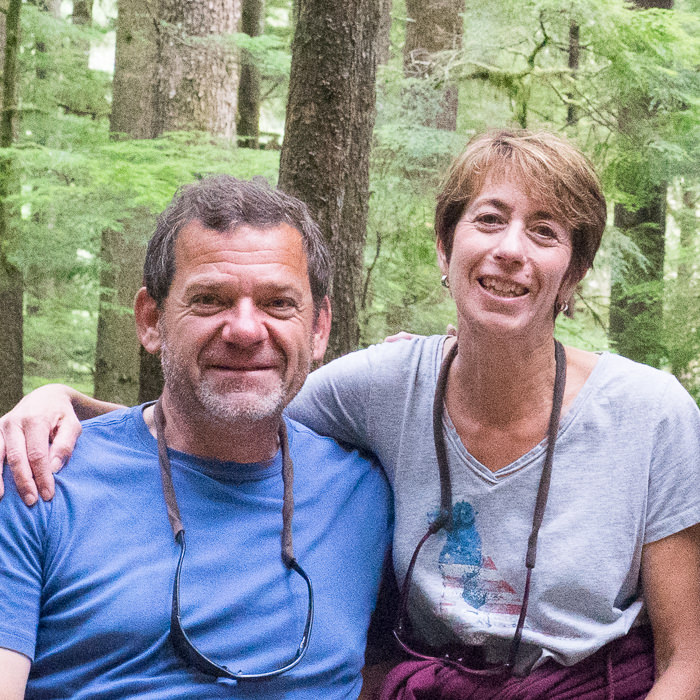
Diane and I are bookbinders. We have done this work for the better part of the last decade, and enjoy making our books the same way our companies' founders made them back in the early 1970's.